
Taj Mahal Quartzite Slab

Taj Mahal Quartzite is a natural stone from Brazil known for its soft beige tones and elegant flowing veining. Widely used for countertops, walls, flooring, and custom interior stone projects.

Additional information

Origin

Brazil

Material

Natural Quartzite

Color

Beige or Cream

Thickness

18mm; 20mm;30mm; Custom Sizes

Finish

Polished; Honed; Leathered

Custom Cutting

Yes


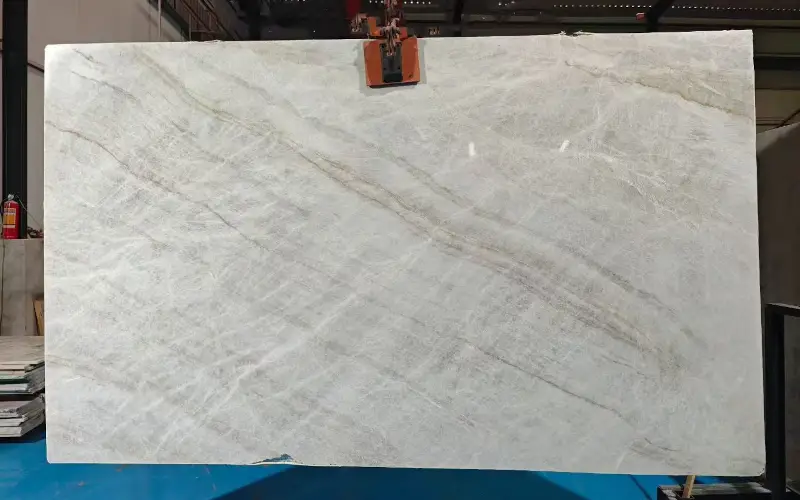
Taj Mahal quartzite slab with elegant diagonal grey veining.


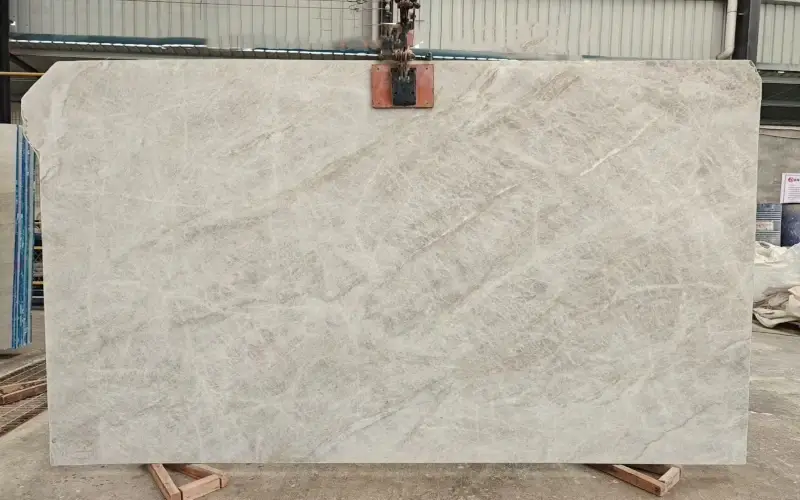
Natural Cloudy Patterns Taj Mahal Quartzite

One of the most popular styles of Taj Mahal Quartzite features soft flowing diagonal veining across a warm beige background. This natural movement creates an elegant and balanced visual effect, especially suitable for bookmatched walls, large kitchen islands, and statement interior applications.


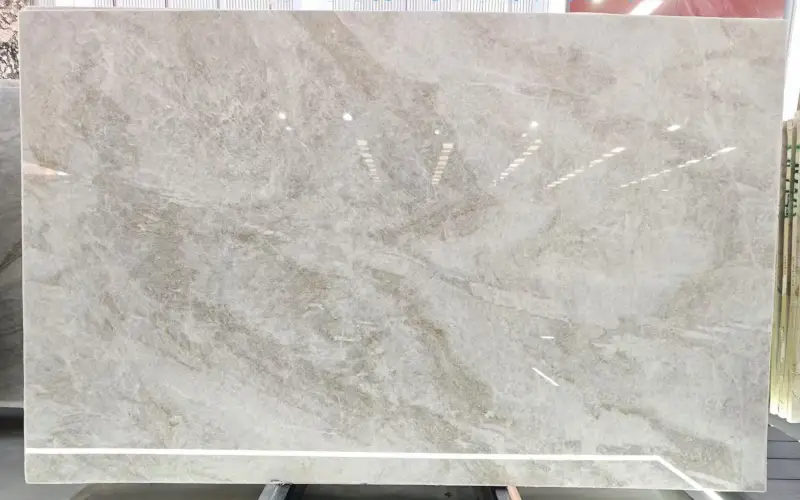
Natural Cloudy Patterns Taj Mahal Quartzite

This style of Taj Mahal Quartzite features soft irregular patterns and natural flowing movement across the slab surface. Compared with directional veining, the texture feels more relaxed and organic, creating a softer visual appearance for interior spaces.

Polished Taj Mahal quartzite slab with cloudy natural patterns.


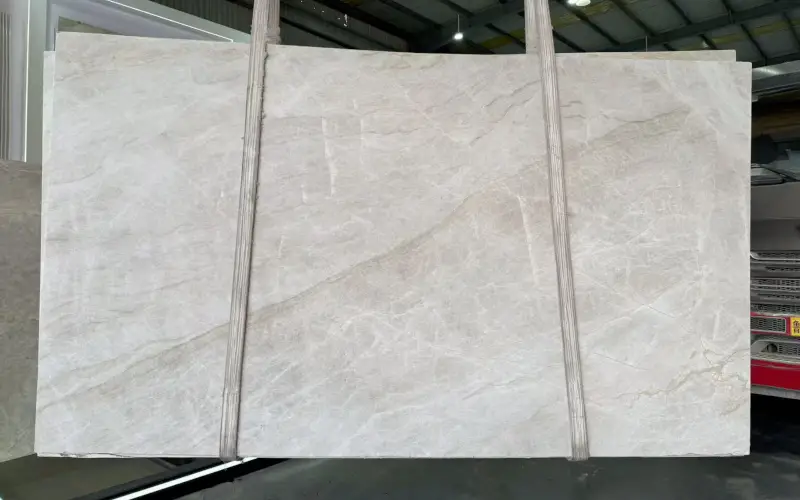
Bundle of Taj Mahal quartzite slabs prepared for project selection.


Lighter Background Taj Mahal Quartzite Slab

This style of Taj Mahal Quartzite features a cleaner and lighter background with elegant flowing diagonal veining. Slabs with a whiter base tone are generally more limited and highly valued for their bright appearance and versatility, making them easier to match with different interior color palettes and design styles.


Project Use Guide

Taj Mahal Quartzite is often selected for projects that need a warm, elegant and natural stone appearance without strong visual heaviness. Its beige background and soft flowing veins work well in luxury kitchens, hotel bathrooms, villa interiors and boutique commercial spaces.

When using Taj Mahal Quartzite for project applications, the most important details are slab selection, vein direction, thickness, surface finish and layout planning. For large islands, feature walls or bookmatched areas, we recommend confirming actual slab photos and layout before cutting.

We can support project buyers with slab sourcing, material selection, fabrication review, quality checking, packing and delivery coordination based on drawings or project requirements.

FAQ

Does Taj Mahal Quartzite have color variation?

Yes. As a natural stone, every slab is unique.

Color, veining, and background tone may vary between slabs and production batches. For projects involving multiple slabs, we recommend slab selection and dry lay inspection before fabrication to ensure the best visual consistency.

Can you match slabs for waterfall islands and bookmatched designs?

Yes.

For waterfall islands, feature walls, and bookmatched applications, we carefully review slab patterns and layout before cutting. We can provide slab photos, layout drawings, and dry lay verification to help reduce installation risks and achieve better vein continuity.

What thicknesses are available for Taj Mahal Quartzite?

The most common thicknesses are:

  • 18mm (1.8cm)
  • 20mm (2cm)
  • 30mm (3cm)

Custom thicknesses may also be available depending on project requirements.

For kitchen countertops in Australia and the United States, 30mm slabs are typically preferred for their appearance and structural strength.

How do you ensure quality before shipment?

Our process typically includes:

  • Slab inspection
  • Drawing confirmation
  • Layout review
  • Fabrication inspection
  • Dry lay verification (when required)
  • Export-standard packaging

Photos and videos can be provided before shipment so clients can review the finished products prior to delivery.

Do you supply Taj Mahal Quartzite for large projects?

Yes.

We support both residential and commercial projects, including luxury villas, apartments, hotels, and custom interior applications.

For larger projects, we can assist with slab selection, quantity planning, fabrication coordination, and export logistics to help maintain consistency throughout the project.

Why is dry lay important for Taj Mahal Quartzite projects?

Taj Mahal Quartzite often features flowing veining and subtle color movement. In applications such as waterfall islands, large countertops, and feature walls, small differences between slabs can become highly visible after installation.

A dry lay process allows slabs and fabricated pieces to be arranged and reviewed before packing, helping identify potential pattern mismatches and reducing costly surprises on site.

For many high-end projects, dry lay is one of the most important steps in achieving a premium final result.

Leave A Message